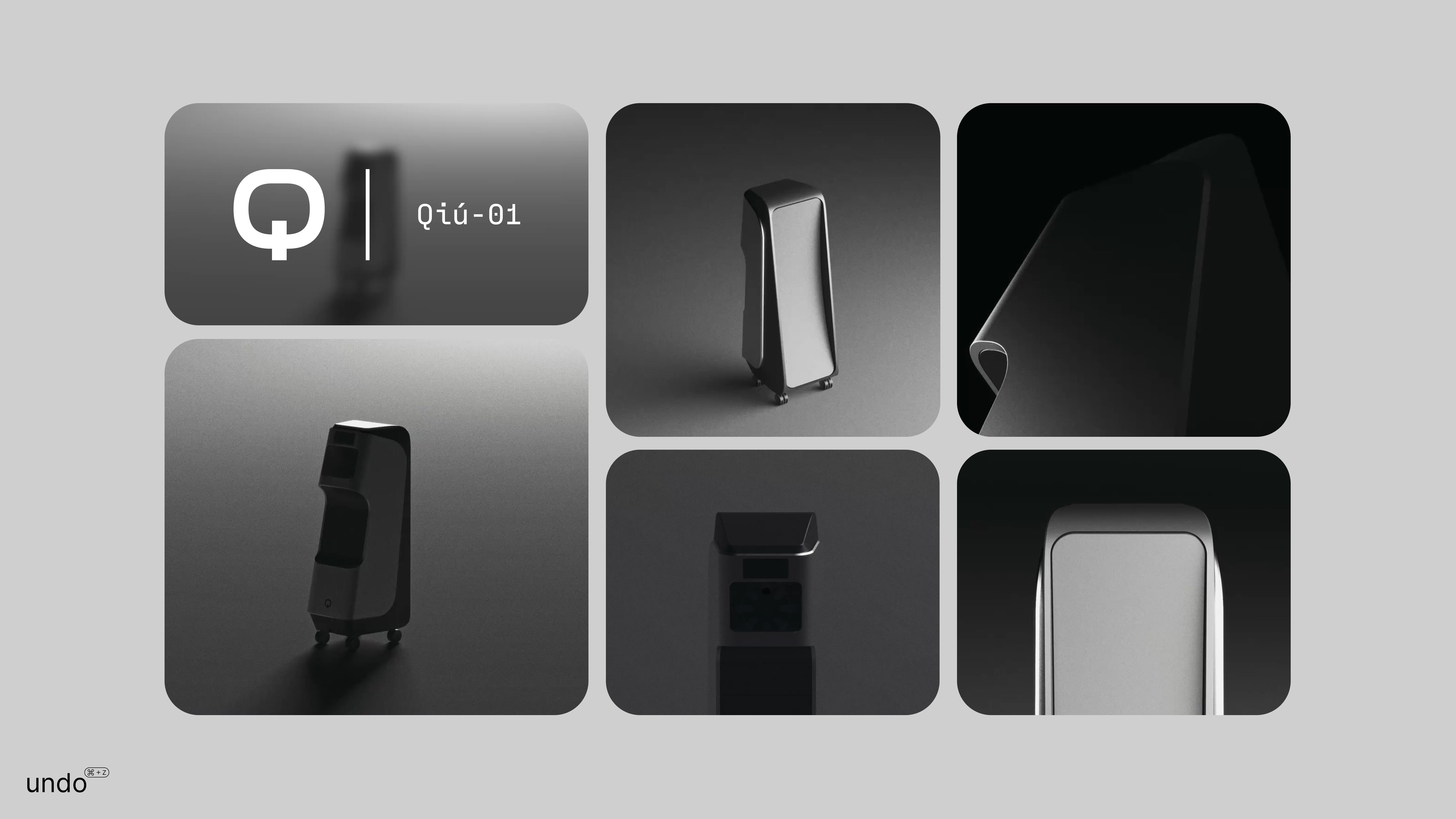
Qiu
Industrial Design
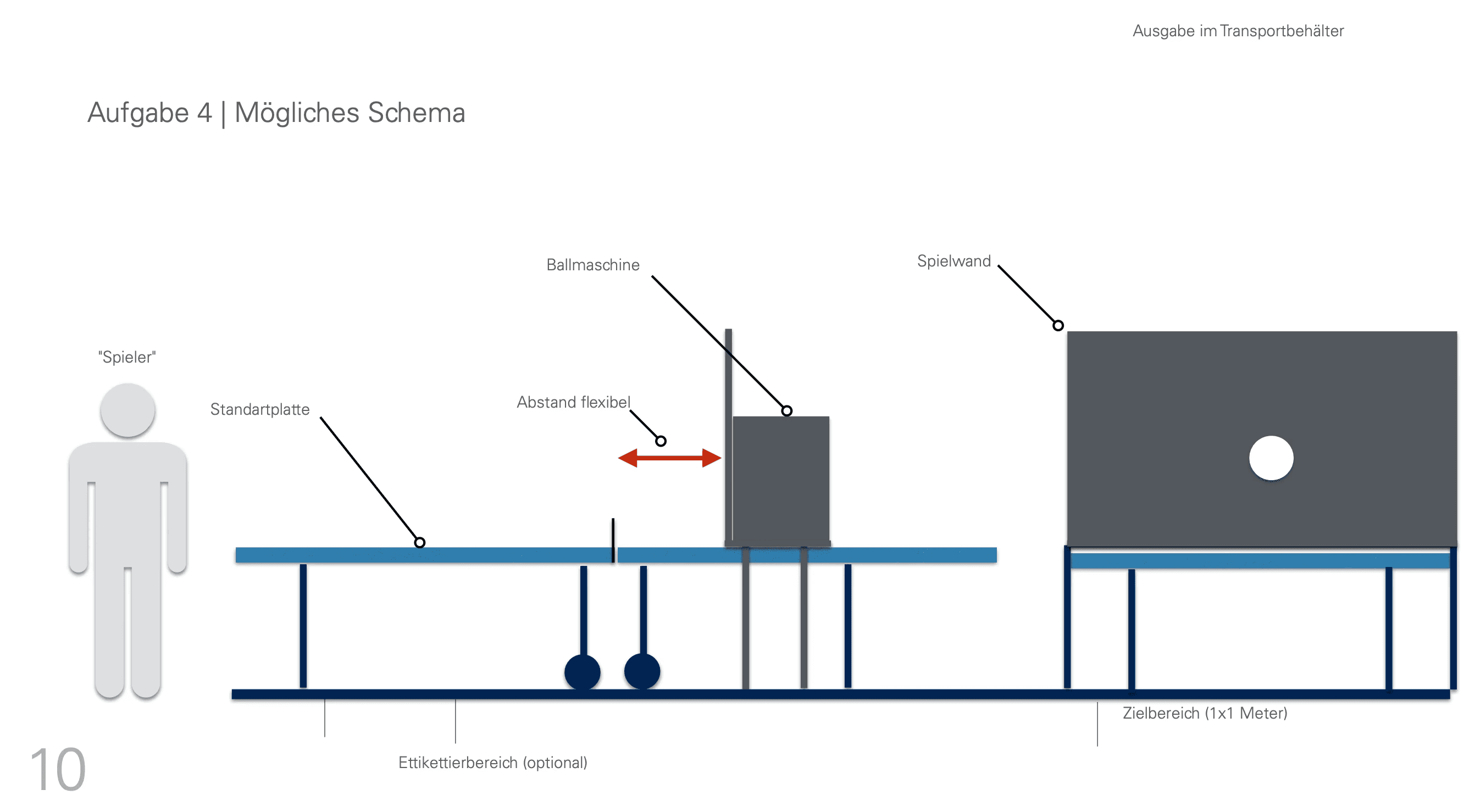
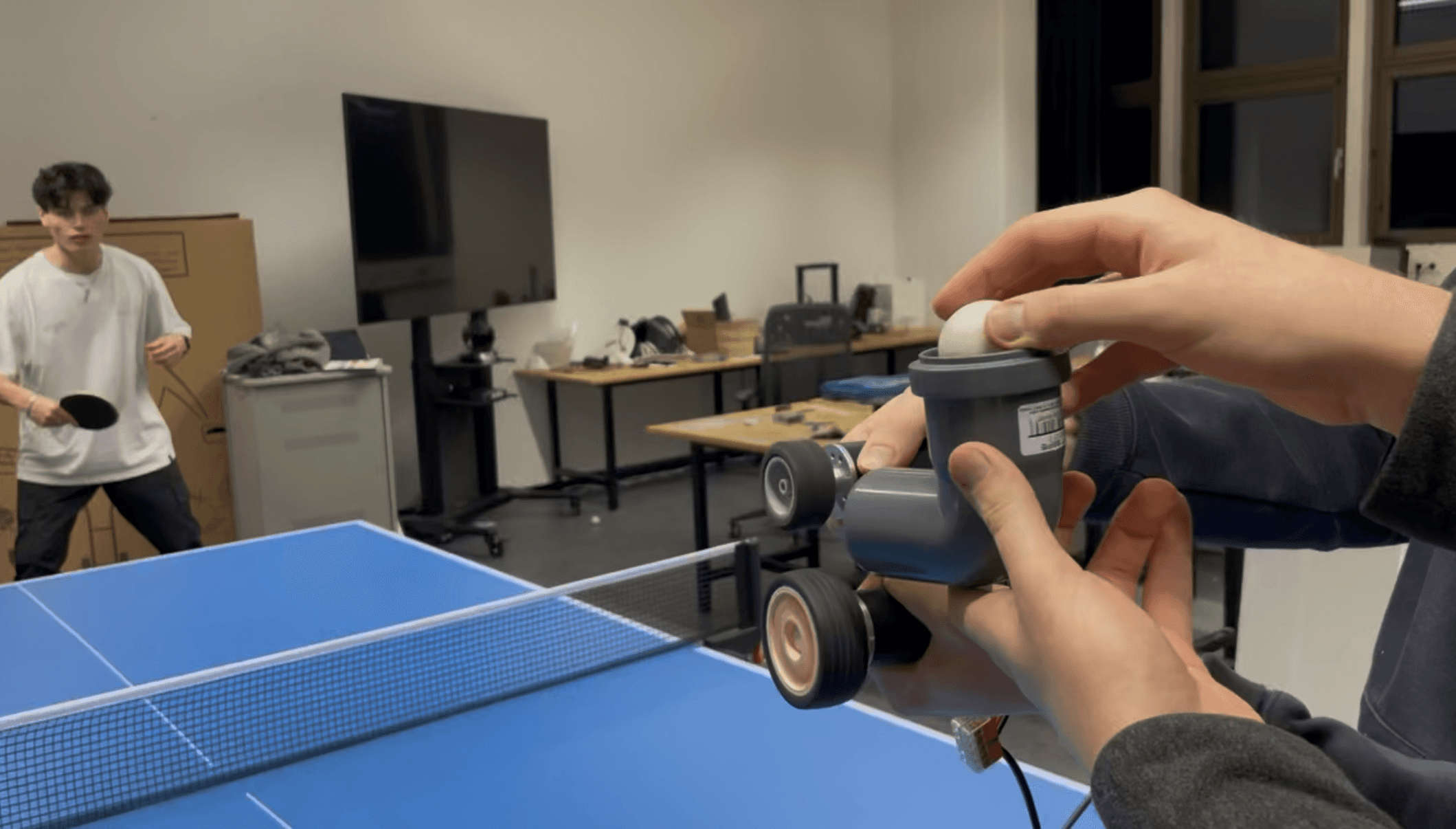
The task of Kachelcross was to develop a table tennis training system capable of delivering balls in common variations such as forehand, backhand, topspin, and slice, while also interacting with the player. The system is designed to detect whether a ball is returned and respond accordingly during play.
In addition, the system supports conventional training modes, enabling users to practice standard stroke patterns in a structured and repeatable way.
About learning new Things
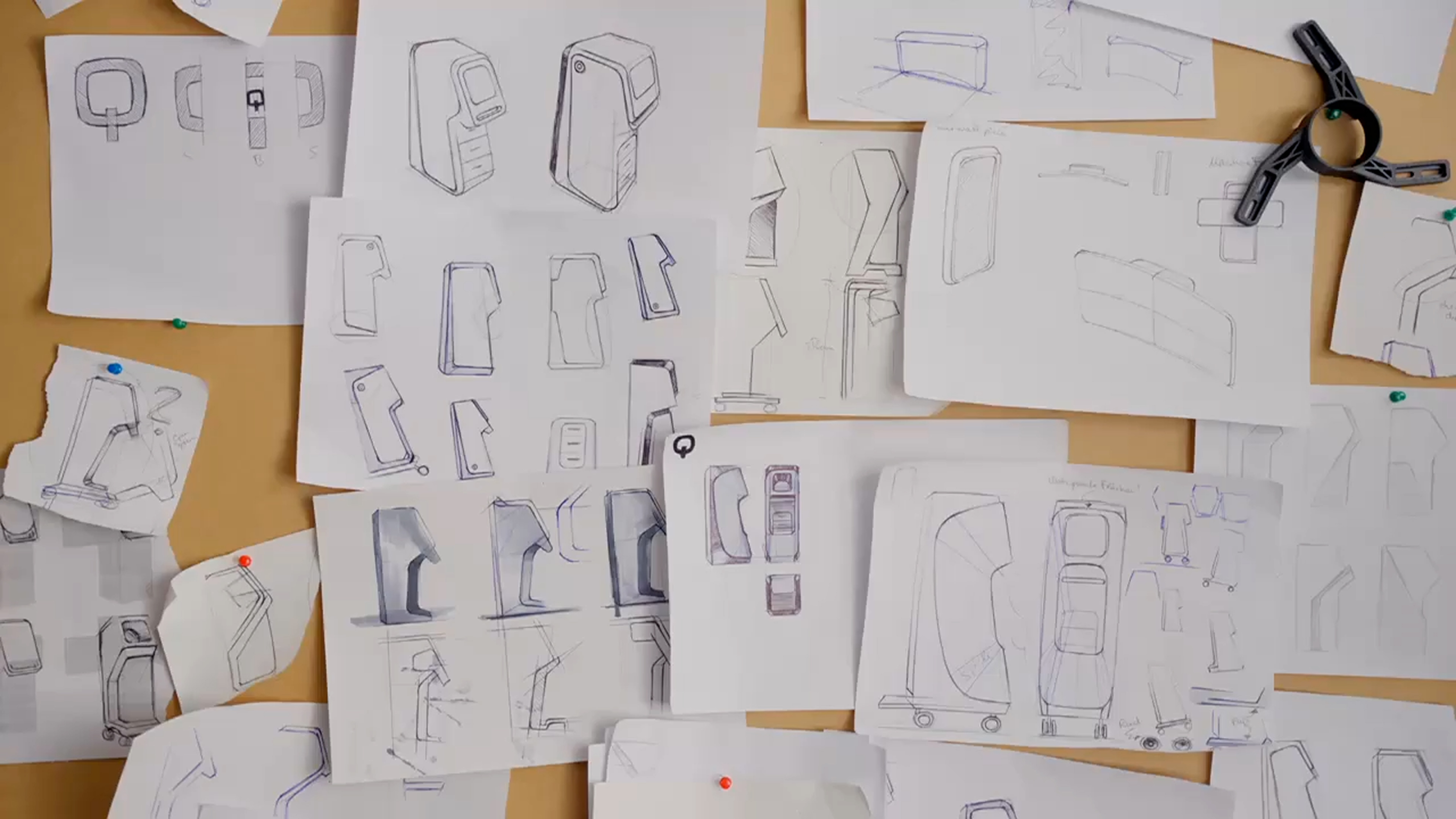
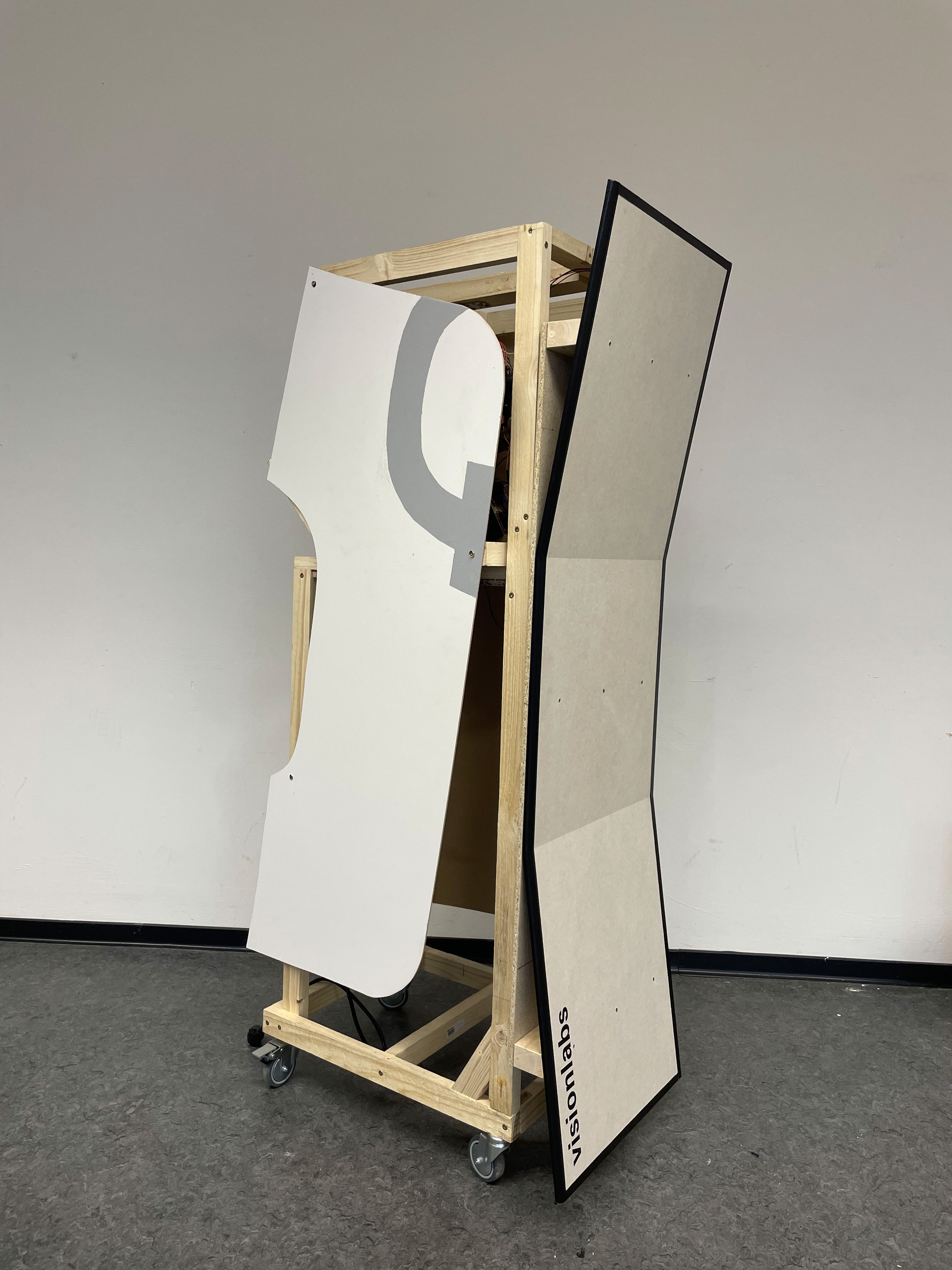
The process began with quick iterations, where initial ideas were tested, evaluated, and refined through rapid prototyping. Early concepts were physically explored and continuously adjusted based on performance and feasibility.
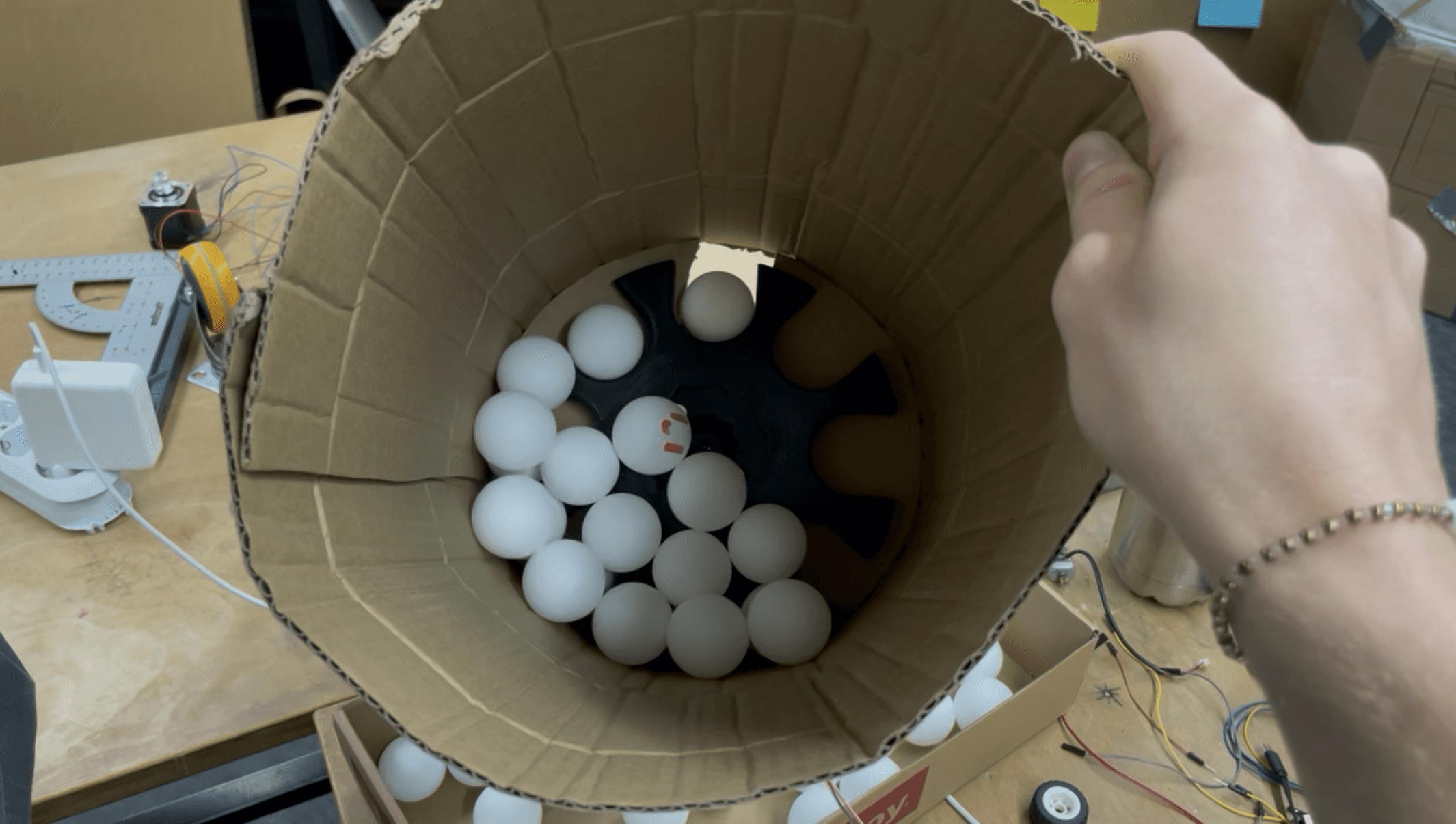
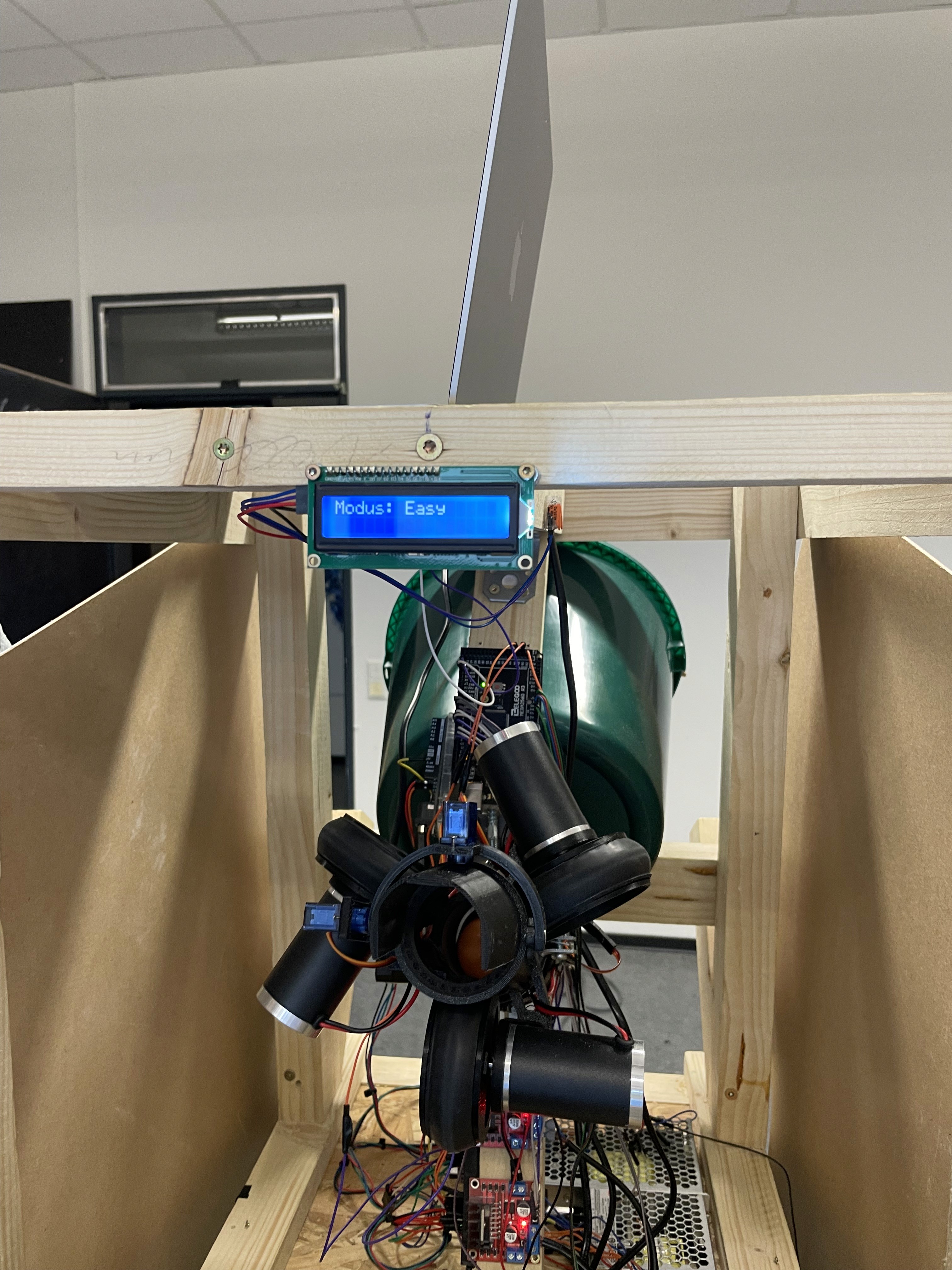
In parallel, the programming of the trainer was developed using Arduino, enabling responsive interaction and control of the system. This iterative approach resulted in a fully functional prototype, the so-called “works-like” model.
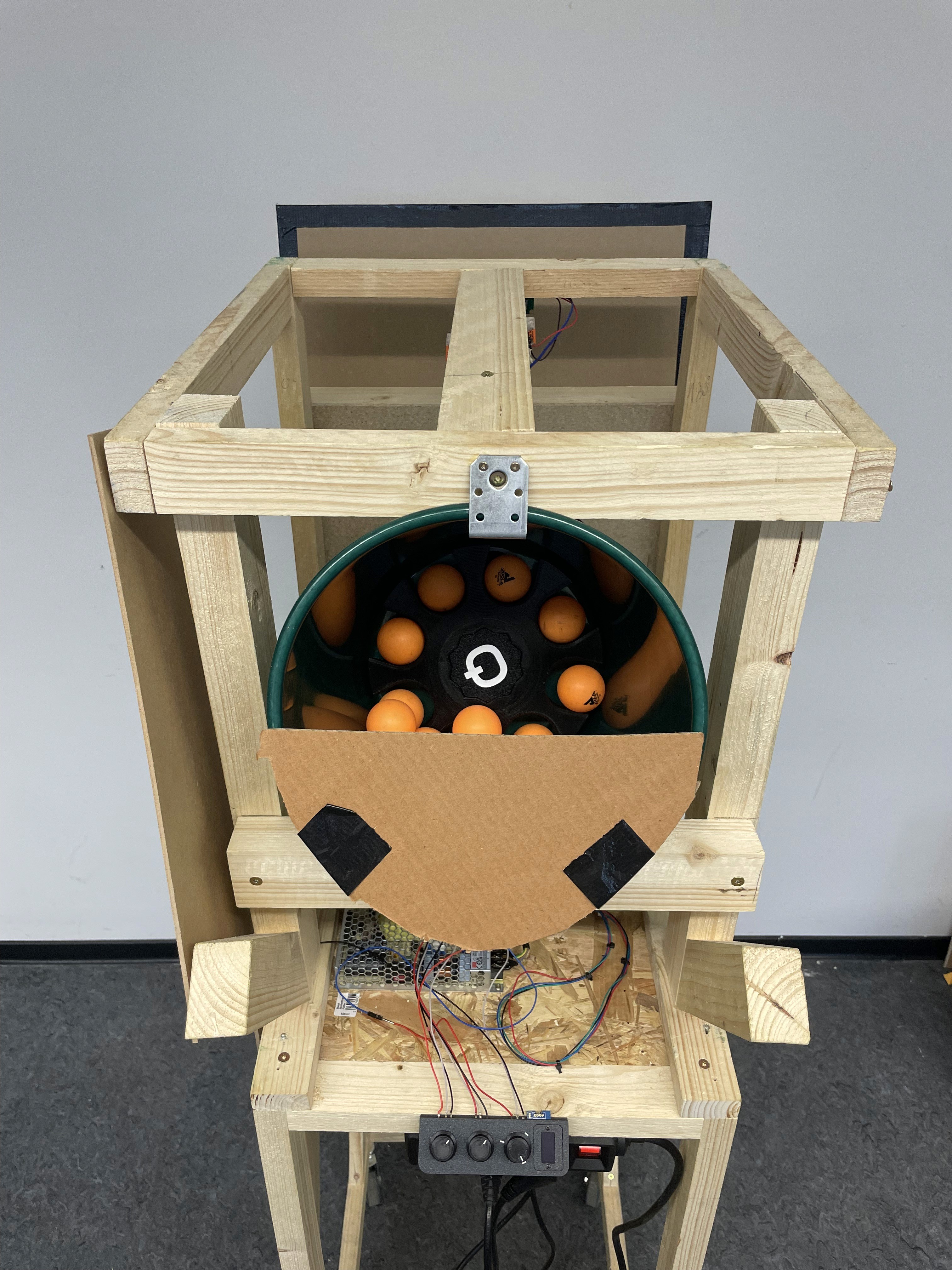
My primary contribution focused on establishing the technical framework and constructing the works-like prototype, ensuring its functionality and structural integration.

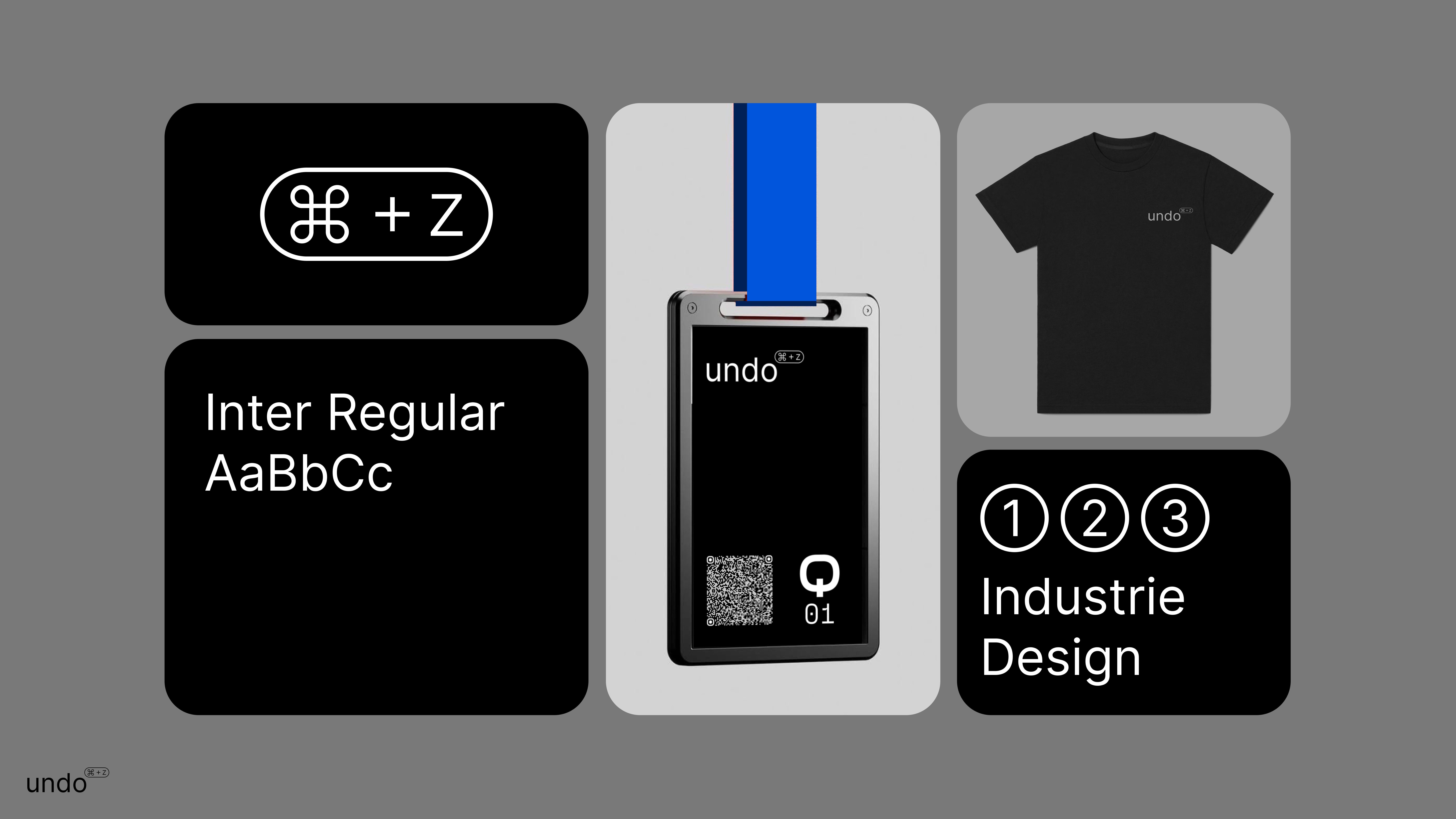
Subsequently, the group developed a fictional brand identity to contextualize the project. This led to the creation of the design studio UNDO, serving as a conceptual framework for the system and its narrative positioning.
Further information can be accessed via the accompanying QR code.



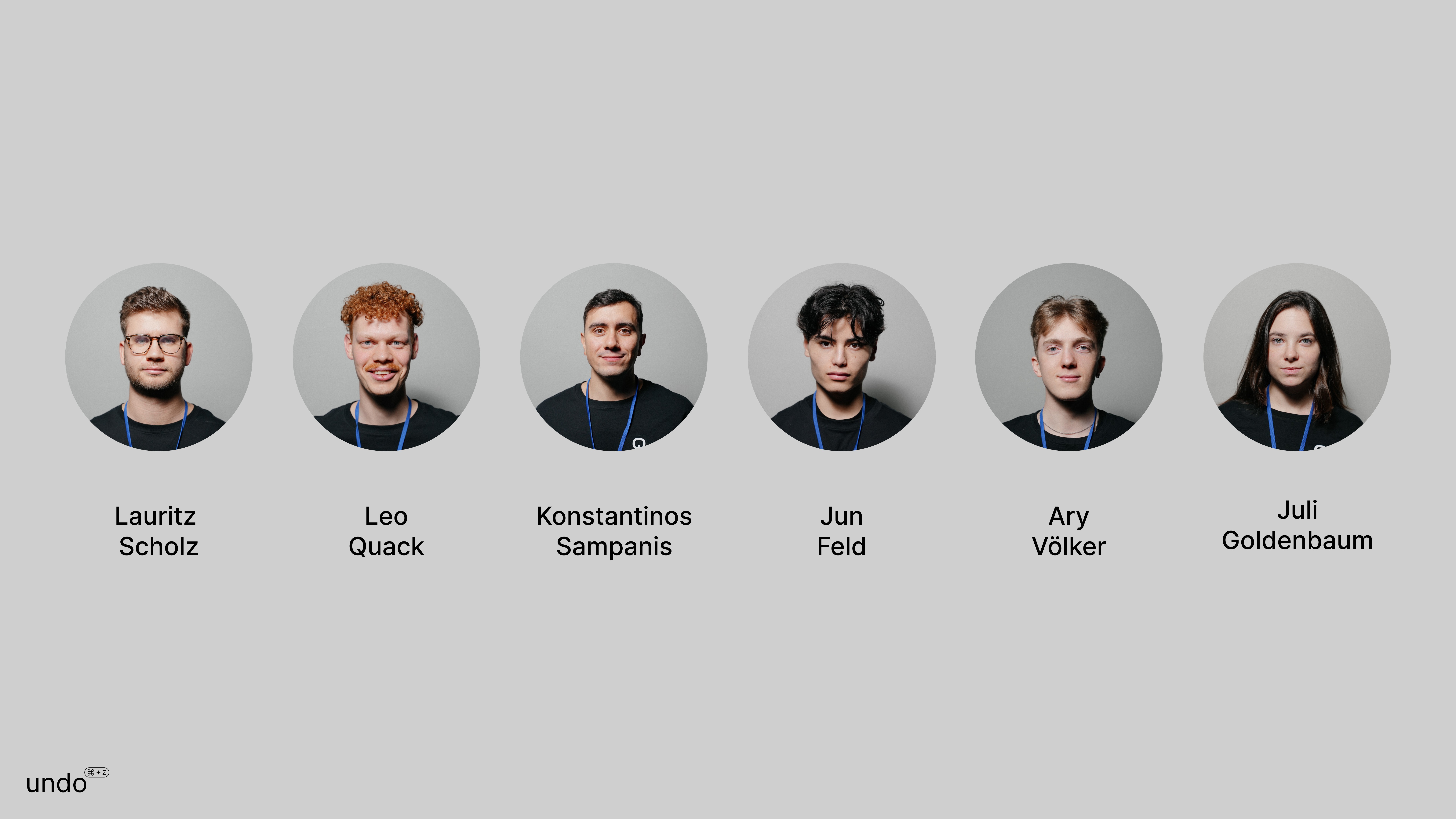

To complete the intensive six-week phase, tasks were distributed and developed in parallel. While other team members focused on final programming tasks, my responsibility was taken for the animation of the “look-like” model.
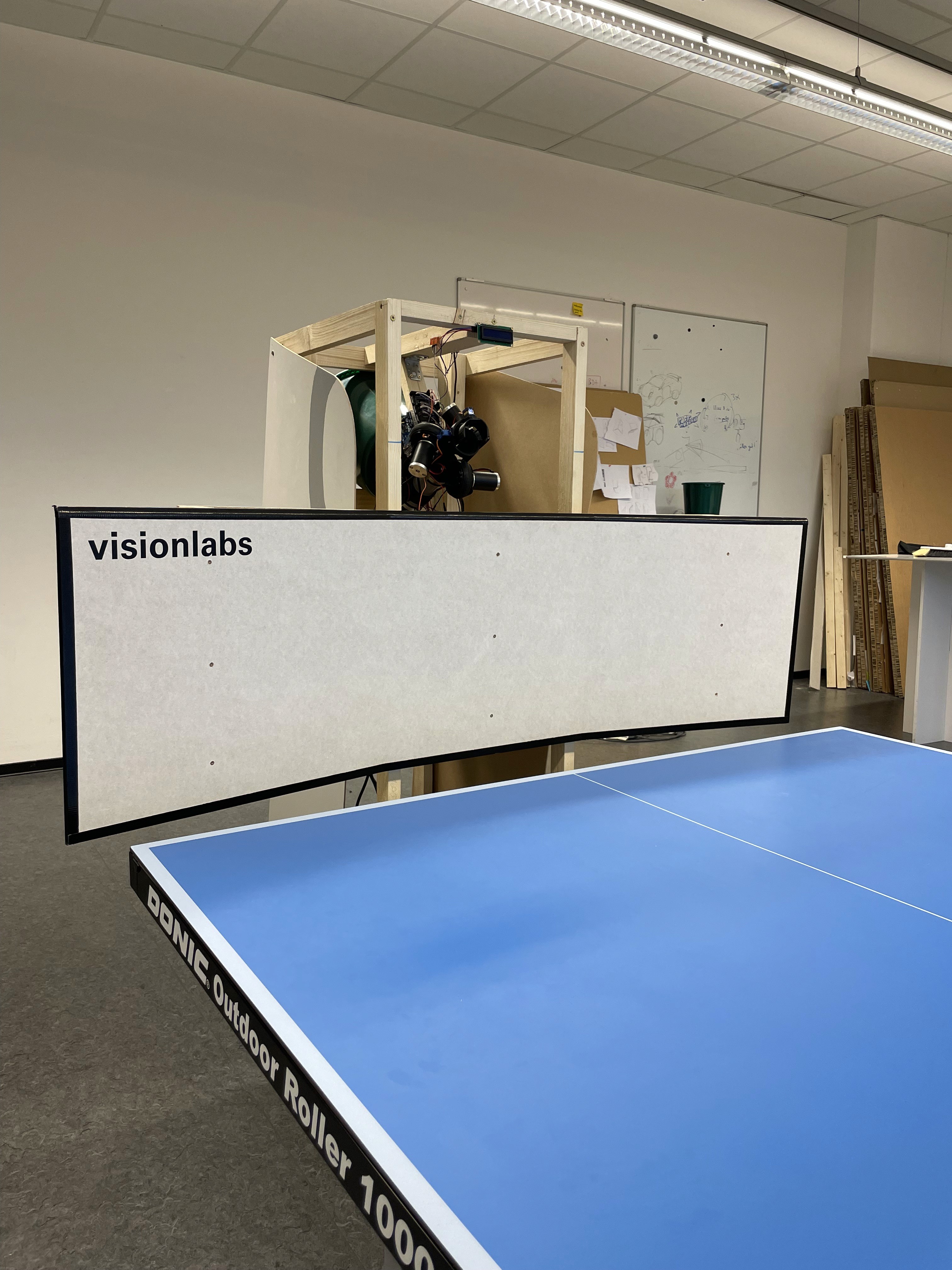
The final concept enables intuitive handling of the trainer through a stowable return wall. In addition, integrated compartments provide storage for table tennis equipment.
Qiu-01 is designed as a smart companion to support the development into a more advanced table tennis player.